· 7 min read
Acid-free and lignin-free: what it means and when it matters
Almost every sheet of scrapbook paper promises to be acid-free. What acid and lignin do to your photos, what the labels really say, and what you do and don't need to worry about.
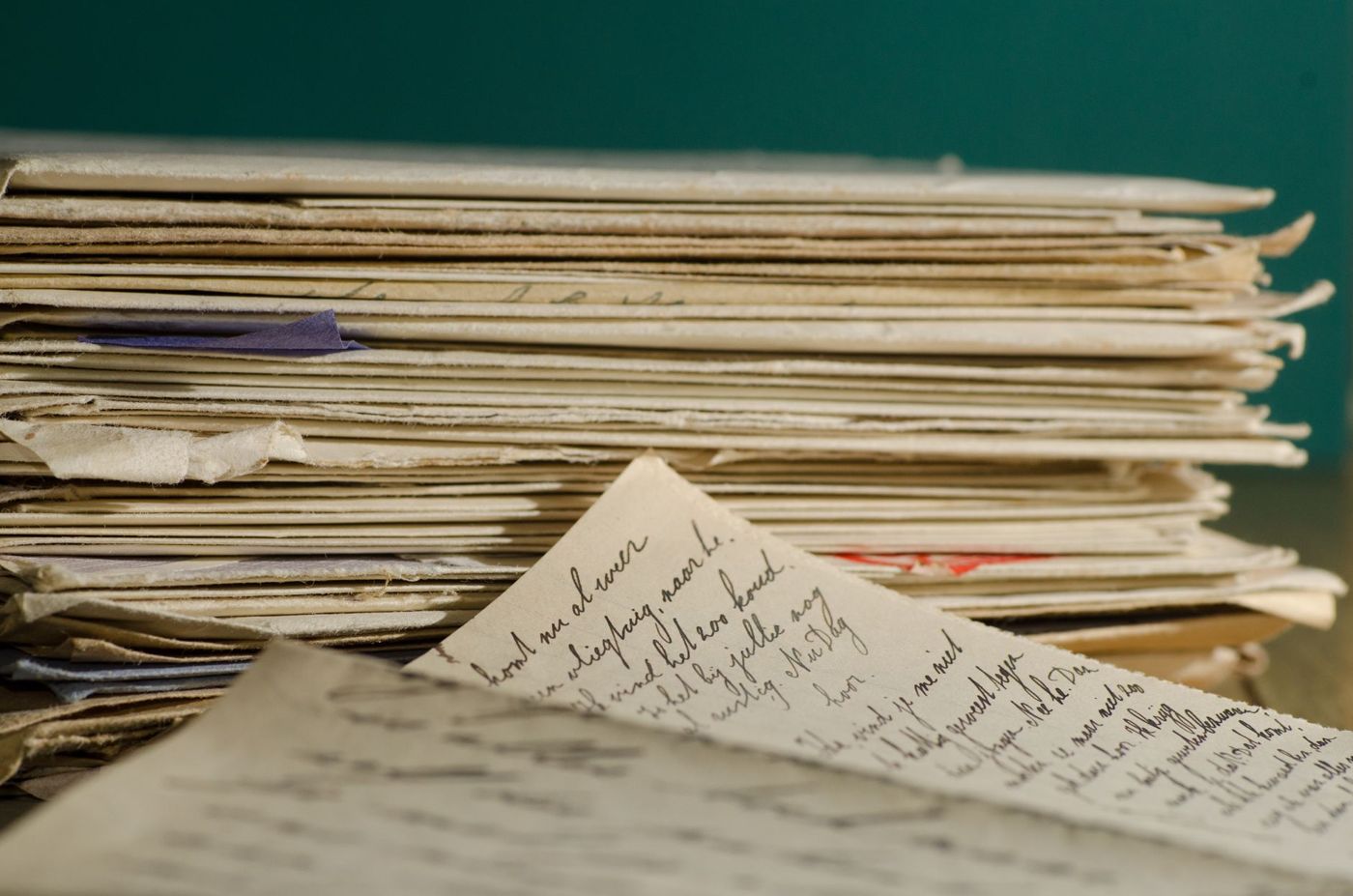
It's on almost every pack of scrapbook paper: acid-free. Often it says lignin-free too, and sometimes archival or photo safe. It sounds important, but few people know exactly what it means. Here you'll find out what acid and lignin do to your paper and photos, which labels actually tell you something, and what you really need to worry about.
What acid does to paper
Like water, paper has a pH value. Below 7 it's acidic, exactly 7 is neutral and above that it's alkaline. Acid-free paper has a pH of 7 or slightly higher.
Acidic paper slowly breaks down. The fibres get weaker, the paper turns yellow and brittle, until the edges start to crumble. Light, heat and damp speed up the process.
For photos this is even worse, because acid doesn't stay in its own sheet. It moves into anything that touches it, which is called acid migration. A photo on an acidic background can discolour or get stains as a result. You can see the effect with a newspaper cutting that has sat between two pages for years: there's often a brown print of it on the paper next to it.
If you've ever opened an old magnetic album, you'll know the result. The card pages, the glue and the plastic together give off substances that turn photos yellow, stain the backs and stick them in place.
Lignin turns paper yellow
Lignin is a natural substance in wood that holds the fibres together, a kind of glue in the plant. Paper made from wood pulp contains it, unless it's removed during production.
Under the influence of light, air, heat and damp, lignin breaks down. This produces acids and turns the paper yellow to brown. Newsprint is full of lignin, and a newspaper left on a sunny windowsill for a few days shows how quickly that can happen.
In the Netherlands you'll also come across the word houtvrij, meaning woodfree. That doesn't mean there's no wood in the paper, but that it isn't made from mechanical wood pulp. Most of the lignin has been removed from the fibres chemically. A lot of ordinary white printer paper is woodfree.
Acid-free is not the same as lignin-free
The two terms are often mentioned in the same breath, but they're different properties.
- Acid-free: the paper is neutral or slightly alkaline at the time it's made.
- Lignin-free: the lignin has been removed, so no new acids can form from it later.
Paper can leave the factory acid-free and still contain lignin. It's neutral now, but acids will still form over time. That's why good scrapbook paper carries both terms.
A lot of acid-free paper is also buffered. That means it contains a small reserve of calcium carbonate, a substance similar to chalk, which absorbs acids that form later or come from outside. For the paper itself, a buffer like this is a good thing. When it comes to photos, if in doubt, choose materials that have passed the PAT.
There are a few exceptions. Blueprints (cyanotypes), dye transfer prints and materials of animal origin, such as leather, parchment, wool and silk, are better kept with unbuffered paper. The alkaline buffer can damage them.
Archival and photo safe
Archival sounds official, but as a product label it isn't a protected term and there's no fixed standard for it. For paper, in practice it usually means acid-free and lignin-free, sometimes made from cotton instead of wood.
Photo safe isn't a protected term either. There is a real test, though: the Photographic Activity Test, PAT for short, set out in the international standard ISO 18916. It checks whether a material reacts harmfully with photos. If the packaging says PAT, the product has been tested and passed. The test says nothing about acidity or lignin.
What in your album needs to be acid-free
Not everything in your album matters equally. Start with what touches the photo directly and work outwards from there.
- The background the photo sits on, and any mat underneath it.
- The glue, tape or photo corners you use to fix the photo in place.
- The facing page. In a closed album the pages lie on top of each other, so an acidic card on the left touches the photo on the right for years.
- Anything else on the page, such as embellishments, the decorations on your page. These are less critical, but they do lie against your paper.
Most paper sold specifically for scrapbookers these days is acid-free, and often lignin-free too. Do check the packaging, though. The biggest risk usually lies in what you add yourself: cards, receipts, newspaper cuttings, packaging and other paper from around the house.
Not every book needs to last a hundred years. In a junk journal with old book pages, tea bags and bits of card, yellowing is simply part of it. As long as you don't stick in original photos or irreplaceable pieces, not everything has to be acid-free. Use prints instead and keep the originals separately.
How to recognise good materials
- Read the label. Look for acid-free and lignin-free. If it only says acid-free, you know nothing about the lignin.
- A sideways figure eight (the infinity symbol) in a circle means the paper meets ISO 9706, the standard for permanent paper.
- For anything that touches a photo directly, PAT on the packaging is a good sign.
- No label? With a pH testing pen you draw a small line, and the colour tells you whether the paper is acidic. Which colour means what is shown on the pen. Test on an edge that won't be seen, because the line stays visible. A pen like this doesn't measure lignin.
Be careful with newspaper, brown cardboard from boxes, egg boxes, cheap wrapping paper and old book pages. These often contain lignin or acid. Receipts printed on thermal paper have a different problem: the text fades.
Brown isn't automatically bad. Kraft paper and kraft card for scrapbookers are often made acid-free and lignin-free. Here too, the label is what counts.
What to do with materials that aren't acid-free
A cutting or card that isn't acid-free doesn't have to stay out of your album. There are plenty of ways to include it safely.
- Make a copy. Scan it and print it on good paper, or make a colour copy. Keep the original separately, in a box or folder.
- Seal it off. Put it in a sleeve made of polypropylene, polyethylene or polyester, never PVC. That way it can't touch anything else.
- Add a layer in between. A sheet of acid-free, lignin-free paper between two pages stops acid. Archives store old scrapbooks this way too.
- Mat your photo. Put a photo on a mat of acid-free cardstock, the sturdy plain paper scrapbookers use. That creates a buffer between the photo and a questionable background.
- Use a deacidification spray. A spray like this neutralises the acid and leaves a buffer behind. It doesn't remove the lignin, so the paper will still discolour, just more slowly. Test on a corner first, as some inks and colours react to it.
With an old album that's already discolouring, these tricks won't get you far enough. That needs its own approach, and for valuable or damaged pieces sometimes a conservator.
How long acid-free paper lasts
Nobody can give an exact number of years. The well-known figures are estimates. Good acid-free, buffered paper can last hundreds of years if it's stored well. As a rule of thumb, permanent archival paper has a buffer of about 2 per cent calcium carbonate. Acidic paper with a lot of lignin, on the other hand, can turn yellow and brittle within a lifetime.
Where you keep your books matters at least as much as the paper. Choose a dark, dry place with a humidity of about 30 to 50 per cent and a temperature of around 21 degrees or cooler, without big fluctuations. That's why an attic, cellar or garage isn't a good place, and neither is the cupboard next to the radiator.
An album is only as strong as its weakest part. The finest lignin-free paper won't help much if the glue yellows or the sleeves are PVC. If you want to be sure your memories last, scan your pages too. Then you'll always have a copy, whatever happens to the paper.
Questions about this topic
What does acid-free paper mean?
Acid-free paper is neutral or slightly alkaline, with a pH of 7 or slightly higher. Acidic paper slowly breaks down: it yellows, becomes brittle and can pass acid on to photos that touch it.
What's the difference between acid-free and lignin-free?
Acid-free means the paper is neutral when it's made. Lignin-free means the lignin, a substance from wood, has been removed, so no new acids can form from it later. Paper can be one without being the other.
Are archival and photo safe protected terms?
No, they aren't protected terms and there's no fixed standard for them. A real test is the Photographic Activity Test (PAT, ISO 18916), which checks whether a material reacts harmfully with photos.
How do you use acidic materials safely in a scrapbook?
Make a copy and keep the original separately, or seal it off in a sleeve made of polypropylene, polyethylene or polyester. A sheet of acid-free paper in between or a mat of acid-free cardstock under your photo also helps.