· 7 min read
Post bound, ring binder or self-adhesive: which album to choose
Screw posts, D-rings, spiral or a fixed spine: the binding decides whether your album can grow, whether it lies flat and how easily you can swap pages.
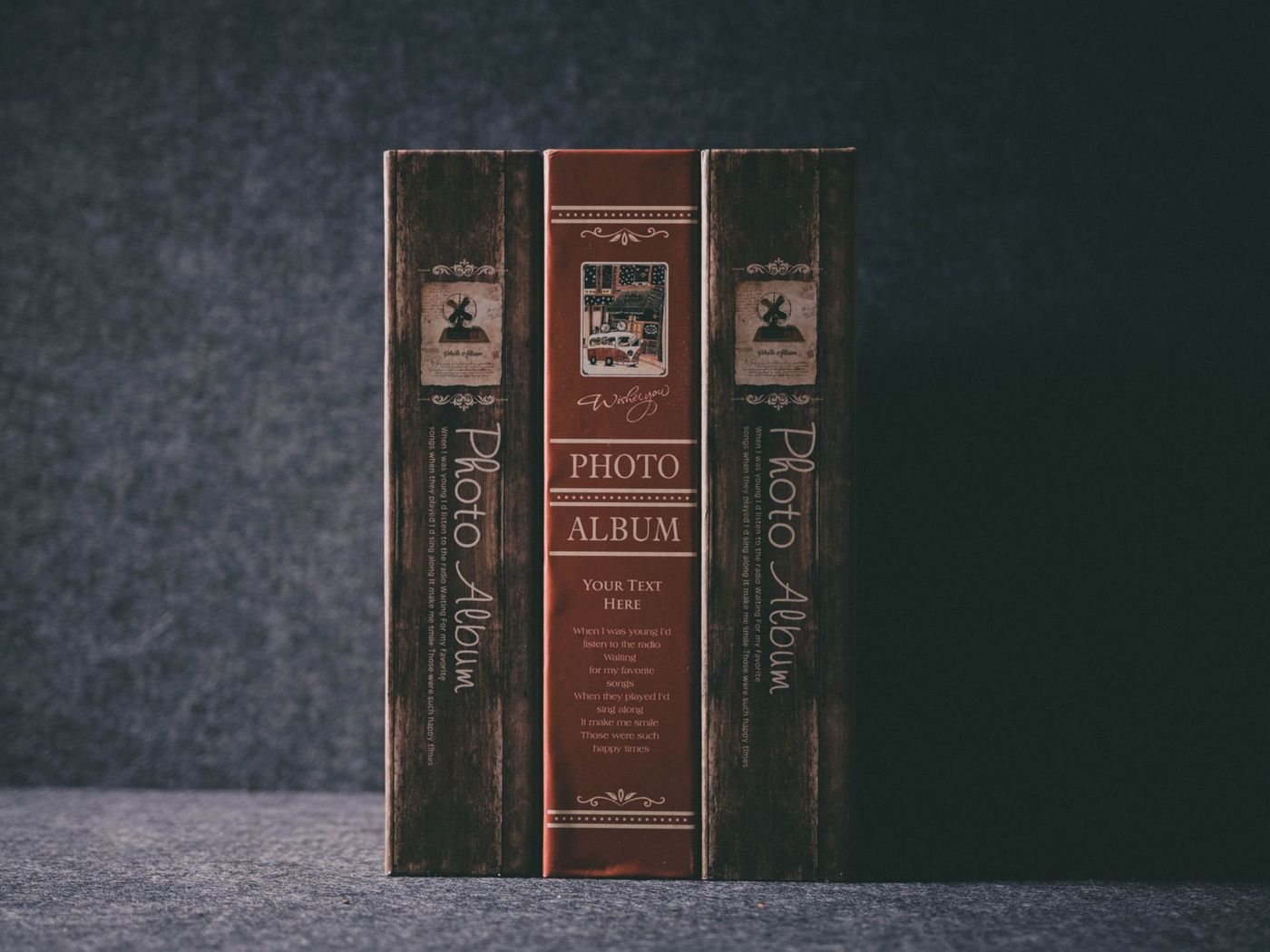
You usually buy an album once per project, and then you live with it for years. The binding decides how it feels: whether you can add pages later, whether a double page flows nicely across the middle, and whether the book stays closed as it fills up. Below are the types you'll come across, what they do well and where they get tricky.
Post bound album
A post bound album has two or three metal screw posts that go through the cover and all the pages. The pages are usually plastic page protectors that you fill from the top with your scrapbook page.
The big advantage: when the album lies open, the left and right pages sit close together. A spread, a double page designed as one whole, flows almost seamlessly as a result. With post extenders you can make the album thicker.
The downside is the fiddliness. If you want to add a page in the middle, you have to unscrew the posts and get everything neatly back in place. Do this on a table with the album lying flat, and don't screw the posts too tight.
Ring binder with D-rings or round rings
A ring binder works like a lever arch file: you open the rings and hang the page protectors on them. It's the easiest way to add, remove and move pages. Ring binders are also often the cheapest option, and there are plenty of refills on sale.
There are round rings (O-rings) and D-rings. With D-rings, the straight side sits against the spine, so the pages often lie flatter and the ring can usually hold more pages than a round ring of the same size. That's handy for a scrapbook with thicker pages.
The downside: there's always a gap between the left and right pages where the rings sit. So a spread never flows all the way across. Page protectors can tear at the holes if you turn them roughly or the album is too full. Only close the rings when all the page protectors are hanging straight, otherwise you'll crease the plastic.
Spiral and wire-o
With spiral binding, a plastic or metal coil runs through a row of holes. Wire-o is a double wire that's squeezed shut around the holes. Both lie completely flat, and you can even fold the pages right back. That's why they're popular for mini albums, journals and planners.
The number of pages is fixed. Chunky embellishments at the edge of a page can make turning it awkward, and a spiral that's too tight can no longer hold a full album. So choose a larger diameter than you first think.
Fixed binding
A bound album looks like a book: the pages are sewn or glued into a fixed spine. It looks lovely and feels like a real book. A sewn album often opens better than a glued one.
You can't add or swap pages. That calls for a plan: know roughly how many pages you need before you start, and bear in mind that a mistake stays put. Because there are usually no page protectors, you can use thicker embellishments, flaps and little envelopes with things to pull out. The flip side is that your photos are less protected.
There's also a lesser-known variant: the strap hinge album. Here the pages are attached to each other and to the cover with sturdy straps. They lie nicely flat, and with a bit of effort you can add pages.
Which binding grows with you
If your album will get thicker over time, for example a baby album or a yearbook, a post bound album or a ring binder is the logical choice.
- Post bound album: grows with post extenders and still looks tidy.
- Ring binder: grows until the rings are full. You'll find bigger rings in thicker binders, but a full album also gets heavy.
- Spiral and fixed binding: don't grow. What's in it is what you've got.
Also think about what's on your pages. Every layer of paper, every piece of chipboard and every little envelope makes the book thicker. An album that's much thicker in some places than others won't close properly and keeps putting strain on the binding. So spread chunky embellishments across the whole album instead of piling them up in the same spot.
Self-adhesive albums: why it's best not to
Self-adhesive albums, also called magnetic albums, have pages with a sticky layer and a clear film over the top. You lay your photos down, pull the film back over and you're done. You can move the photos around without glue. It feels handy, and it's easy for children too.
In the long run, it often goes wrong. The adhesive changes over the years: it can harden and stick the photos down for good, or it dries out and lets go. The film can wrinkle and give off substances that discolour photos or leave a pattern on them. In a damp house, the pages yellow faster. Anyone who has ever opened their parents' album and couldn't get the photos out knows how that ends.
If you want to work without glue, go for photo corners or page protectors instead. That way you can still take photos out later without damage. If you already have an old magnetic album full of photos, don't just pull them out; there's a separate article about that on the blog.
Albums that lie flat
An album that opens well is nice to work in and to leaf through. From flattest to least flat:
- Spiral and wire-o: completely flat, you can even fold pages right back.
- Strap hinge and post bound: lie flat and meet nicely in the middle.
- Sewn binding: opens reasonably well, better than glued.
- Ring binder: the pages lie flat, but with a gap in the middle.
Don't force an album that won't lie completely flat. Don't press the spine flat or put weight on it. Support heavy pages with your whole hand when turning them, so loose pieces don't come off from the bending.
Adding and swapping pages
If you want to be able to change the order later, for example because you don't work chronologically, a ring binder is the nicest option. One page out, another in, done.
You can do it with a post bound album too, but it takes more effort. It helps to keep your finished pages in separate page protectors first and only put them in the album once you've finished a whole batch.
When buying refills, check the size and the type of holes. Page protectors from one brand don't always fit another brand's album, because the distance between the holes varies. Take an old page protector with you or measure the distance before you buy more.
Choose page protectors made of stable plastic: polypropylene, polyester or polyethylene. It's best to avoid PVC, as it can give off substances to your photos over time. Matte page protectors give less glare; clear ones make colours stand out better.
An album for postcards or loose pieces
Postcards, cards, letters and other loose bits need their own approach. You often want to be able to read the back too, and you don't want to stick anything down.
A ring binder with page protectors is the best choice here. You can get page protectors with pockets in all sorts of sizes. A standard postcard is roughly 10 x 15 cm, so page protectors with pockets for photos of that size often work, but check with one card before you buy lots. Because the page protector is clear, you just turn the page over to read the back.
For things that don't fit in a pocket:
- Use an envelope or pouch that you fix to a page, with the item loose inside.
- Hold thin paper pieces in place with photo corners, so there's no glue on them.
- Avoid staples and paper clips: they rust and leave marks.
- Make sure nothing sticks out past the page when the album is closed.
If you mainly keep loose cards and clippings, and few photos, consider a larger format. Then you won't need to fold large clippings, and a fold is exactly where paper tears first.
How to choose
Ask yourself three things. Will the album grow? Then go for a post bound album or a ring binder. Do you want spreads that flow nicely? Then a post bound album rather than a ring binder. Is it a finished project with a fixed number of pages, like a gift or a mini album about one weekend? Then a spiral or fixed binding is absolutely fine, and the result is often the most beautiful.
If you're unsure, start with a ring binder. It's the most forgiving choice: you can still move everything around, and transfer your pages later once you've found out what you really want.
Questions about this topic
What is the best album for scrapbooking?
It depends on what you want. A ring binder makes swapping pages easiest; a post bound album gives an almost seamless double page and grows with post extenders.
What's the difference between a post bound album and a ring binder?
In a post bound album, metal posts go through all the pages, so the left and right pages sit close together. A ring binder works like a lever arch file: swapping pages is quicker, but there's always a gap in the middle.
Are self-adhesive photo albums bad for photos?
In the long run, it often goes wrong. The adhesive can change and stick photos down or let them go, and the film can give off substances that discolour photos. Photo corners or page protectors are a safer choice.
What album is best for postcards and loose pieces?
A ring binder with page protectors works best. The clear page protector lets you read the back too, and you don't have to stick anything down.