· 7 min read
How to make paper look old with tea, coffee and ink
With a cup of strong coffee, some ink and a piece of sandpaper, you can give new paper the warm, worn colour of an old book in a single afternoon.
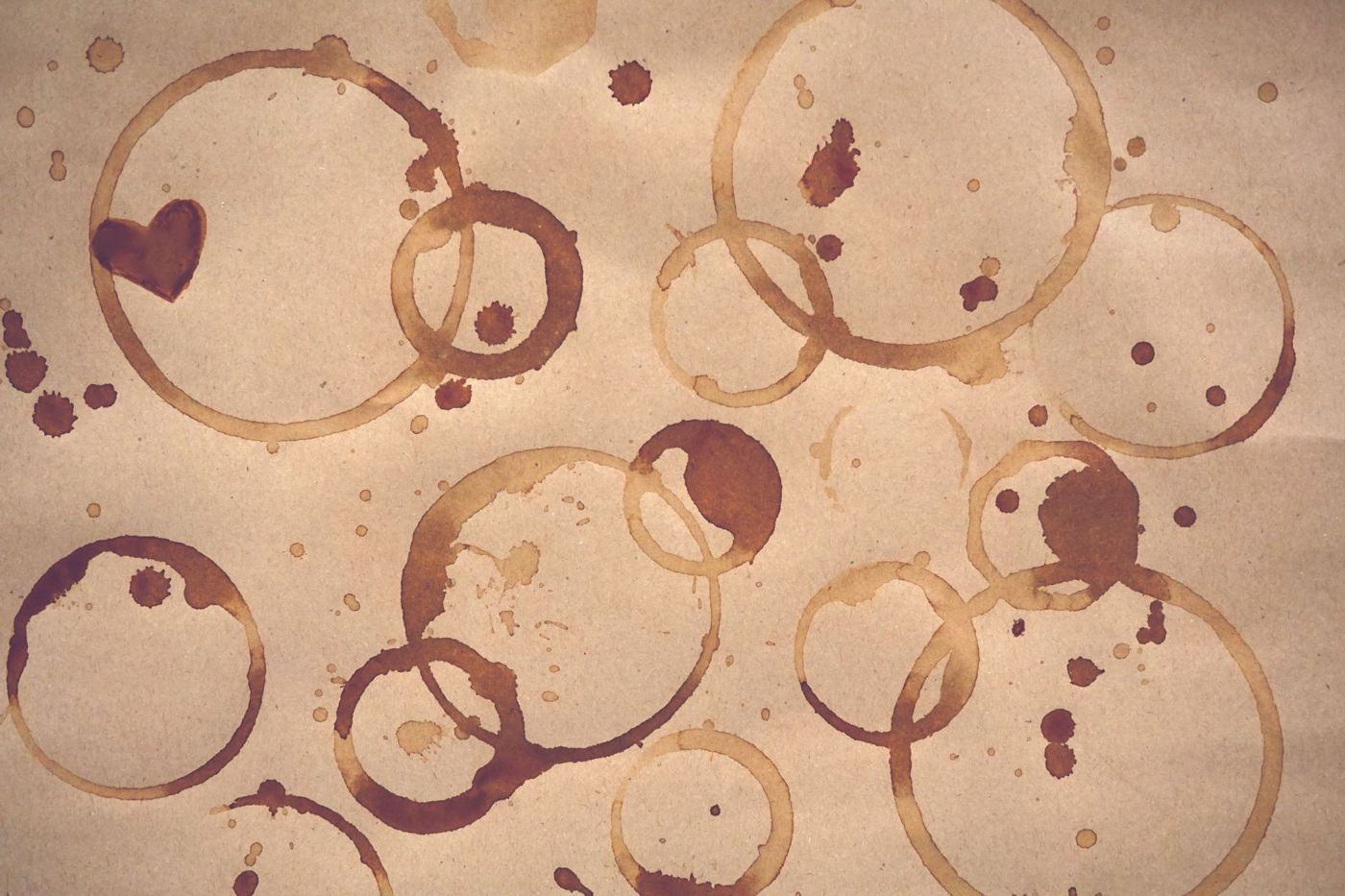
New paper is white, crisp and a little too neat for a junk journal. With what's already in your kitchen cupboard, it can take on the warm tint and soft edges of a book that's been around for years, all in one afternoon. You don't need expensive products, just a bit of patience and a spot where it's fine to make a mess.
Staining with coffee or tea
Coffee gives a warm brown colour, with darker patches where the liquid pools. Black tea is softer and a little more yellow. Both work best on ordinary printer paper, sketch paper, old book pages or kraft paper. Thin paper takes on colour quickly and buckles more; thick paper needs more time.
Here's how to do it:
- Make some strong coffee, without milk or sugar. Old or stale coffee is fine, and decaf gives plenty of colour too.
- Pour the coffee into a deep oven dish or a baking tray with a rim.
- Lay the paper in it or dip it through. A few seconds gives a light tint, a few minutes a deep brown.
- Let it drip, then lay it flat on an old towel or hang it on a line with pegs.
If you want more blotches and a less even finish, use a brush or a sponge instead of a bath. Sprinkle a few coffee granules over the wet paper and brush them off after a few minutes. Each granule leaves a dark speckle behind. With tea, you can rub a wet tea bag straight over the paper or rest it on a few spots.
Outside in the sun and wind, a sheet can sometimes dry within half an hour. Leave it a little longer after that: properly dry paper turns slightly crinkly, and that sound is part of old paper. Make sure everything is completely dry before you store it or stick it down, otherwise it can go mouldy.
Tea bags as paper
Used tea bags are useful in their own right. Let the bag dry with the tea still inside, and only take the leaves out afterwards. That way, lovely edges and stains stay in the paper. If you rinse the tea out first, the bag turns an even brown and you lose the pattern.
You can stamp on this thin, strong paper, paint it or use it as a layer in a collage. Do stamp with waterproof ink if you'll be going over it with paint or glue later, otherwise the print will bleed.
Tearing, sanding and inking the edges
An evenly brown sheet doesn't look old yet. The edges do that. Old paper is torn, worn and darker around the edges.
- Tearing: tear the edge towards you to get a soft, ragged side with a white border. Go slowly, so you don't take off more than you want.
- Fraying: if you don't have a special distressing tool, run the blade of a pair of scissors along the edge at an angle a few times. It gives the same fuzzy effect.
- Sanding: use a nail file, sanding block or fine sandpaper to take some colour off patterned paper. Do just the edges, or go lightly over the whole sheet for a worn surface.
- Curling: dampen the edge slightly by drawing it across a plate with a thin layer of water, then roll it up and unroll it again. Repeat until you like the look.
Then comes the ink. Rub an ink pad, a sponge or a blending tool (a handle with a round foam pad) over the edge of the paper and work a little way inwards from there. Start off the paper and move towards the middle, so the transition stays soft. Browns such as walnut or sepia are the classics.
Distress ink is popular for this because it's water-based and blends easily into a soft shadow with no hard lines. Chalk ink gives a more matte, softer edge. Always test on a scrap of white paper first and keep it next to the pad: ink often looks different on paper than it does in the case.
Crumpling for texture
Creases give paper depth. You can simply scrunch a dry sheet into a ball and unfold it again. Then lightly rub an ink pad over the sheet: the ink only catches on the raised folds, giving you a network of dark lines.
Crumpling it wet gives a softer, almost fabric-like result. Dampen the sheet with a plant mister, crumple it, unfold it and dab some ink over it. Let it dry in its creases. If it's then too bumpy for your book, put it between two tea towels and iron it flat on a low setting, or leave it overnight under a few heavy books.
A few more tricks from the kitchen
Lemon juice works too. Brush it along the edges or flick it over the sheet with a small brush, then warm it with a heat tool. The juice turns brown under the heat. Keep the heat tool moving, or you'll end up with one scorched patch.
You can soak paper doilies in undiluted coffee for anything from a few seconds to a few minutes. They come out wrinkled and antique-looking, and make a lovely layer behind a photo. Brown coffee filters, torn, glued down overlapping and then rubbed with a little brown shoe polish, look surprisingly like leather.
Some scrappers very lightly singe the edges with a small flame. It gives a striking effect, but only do it outside or over the sink, with water within reach, and never with children around.
Does stained paper deteriorate faster?
Possibly, though it's hard to say how quickly. Tea and coffee are slightly acidic and contain tannins. These stay in the paper and, in the long run, can make it discolour further and become more brittle. Old book pages are often acidic themselves, too. Lemon juice is even more acidic.
For a junk journal, that usually isn't a problem. The book is allowed to age; that's part of the style. It's a different story if you're adding original photos or treasured papers that you still want to have in fifty years.
- Don't stick an original photo straight onto stained paper. Mount it on a piece of acid-free cardstock (sturdy, plain card) first, or use a print.
- Keep the original card or letter separately and use a copy in your book.
- Never use coffee with sugar or milk. It stays sticky and attracts bugs and mould.
Finding genuinely old paper
Faked old paper is fun, but genuinely old paper has something you can't imitate. Often it's already in your home: old exercise books, household account books, recipes in someone's handwriting, postcards, sheet music or a broken book whose spine has come off.
Flea markets and charity shops are a goldmine for old books with damaged covers, maps, dictionaries and loose prints. A book that can no longer be read gives you a hundred pages of beautifully yellowed paper. Do check first whether the book has any value as a book or as a family heirloom. It doesn't all have to be antique either: old stamps, a scrap of fabric or a jam jar label fit in just as well.
If you're not sure whether something is too precious to cut up, scan it and print a copy on ordinary paper. You can then stain that copy with coffee.
Vintage-style stickers and ephemera
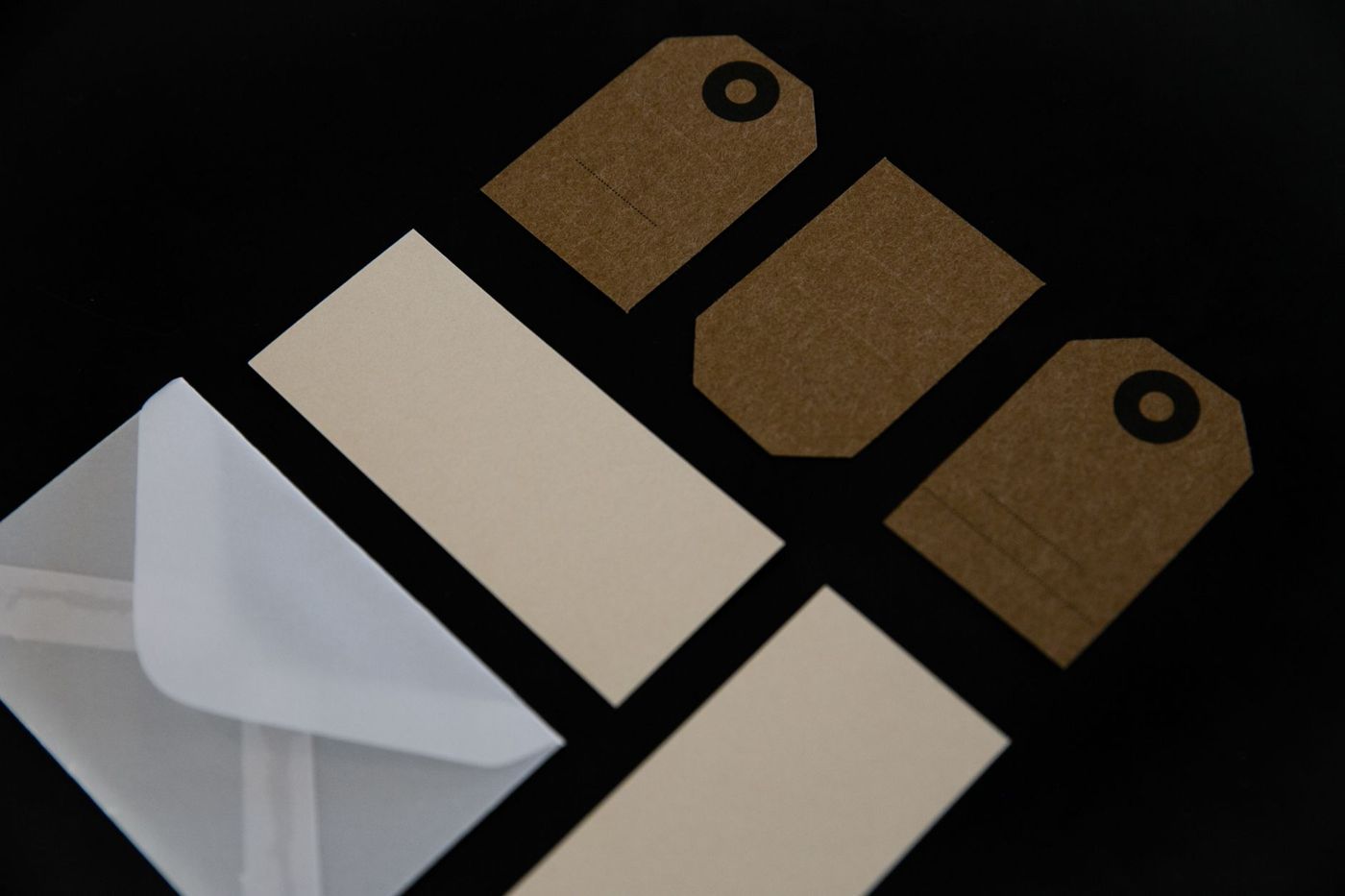
Ephemera are bits of paper that were only meant to be used briefly: tickets, labels, receipts, envelopes, price tags. In a vintage book, they work as small accents.
Modern stickers often look out of place because they're glossy and bright. You can age them a little by lightly inking or sanding the edges. Even nicer is making your own stickers: cut motifs out of your stained paper or an old book and stick them down with a glue stick or double-sided tape. Finish the edges with a brown ink pad and they'll blend right in.
Keep your colour palette small. A few shades of brown, cream and one muted colour make for a calm, cohesive book. Feel free to start with one small stack of coffee paper and a few torn edges. After one afternoon, you'll naturally see what suits your book.
Questions about this topic
How do you make paper look old with coffee or tea?
Make strong coffee or tea without milk or sugar, soak the paper in it for a few seconds to a few minutes, then let it dry flat or hanging up. Coffee gives a warmer brown tint than black tea.
How do you age the edges of paper?
Tear the edge towards you for a soft, ragged side, sand it lightly and work brown ink along it with an ink pad or sponge. Start off the paper and move towards the middle, so the transition stays soft.
Can you stick original photos on coffee-stained paper?
It's better not to do it directly, because stained paper can be more acidic. Mount an original photo on acid-free cardstock first, or use a print.
Where can you find real old paper for a junk journal?
Often it's already at home: old exercise books, postcards, sheet music or a broken book. Flea markets and charity shops are good sources too.