 · 7 min read
Scrapbooking on a small budget
Scrapbooking doesn't have to be expensive. Where to save, where not to, and how to stretch one stack of paper across many more pages.
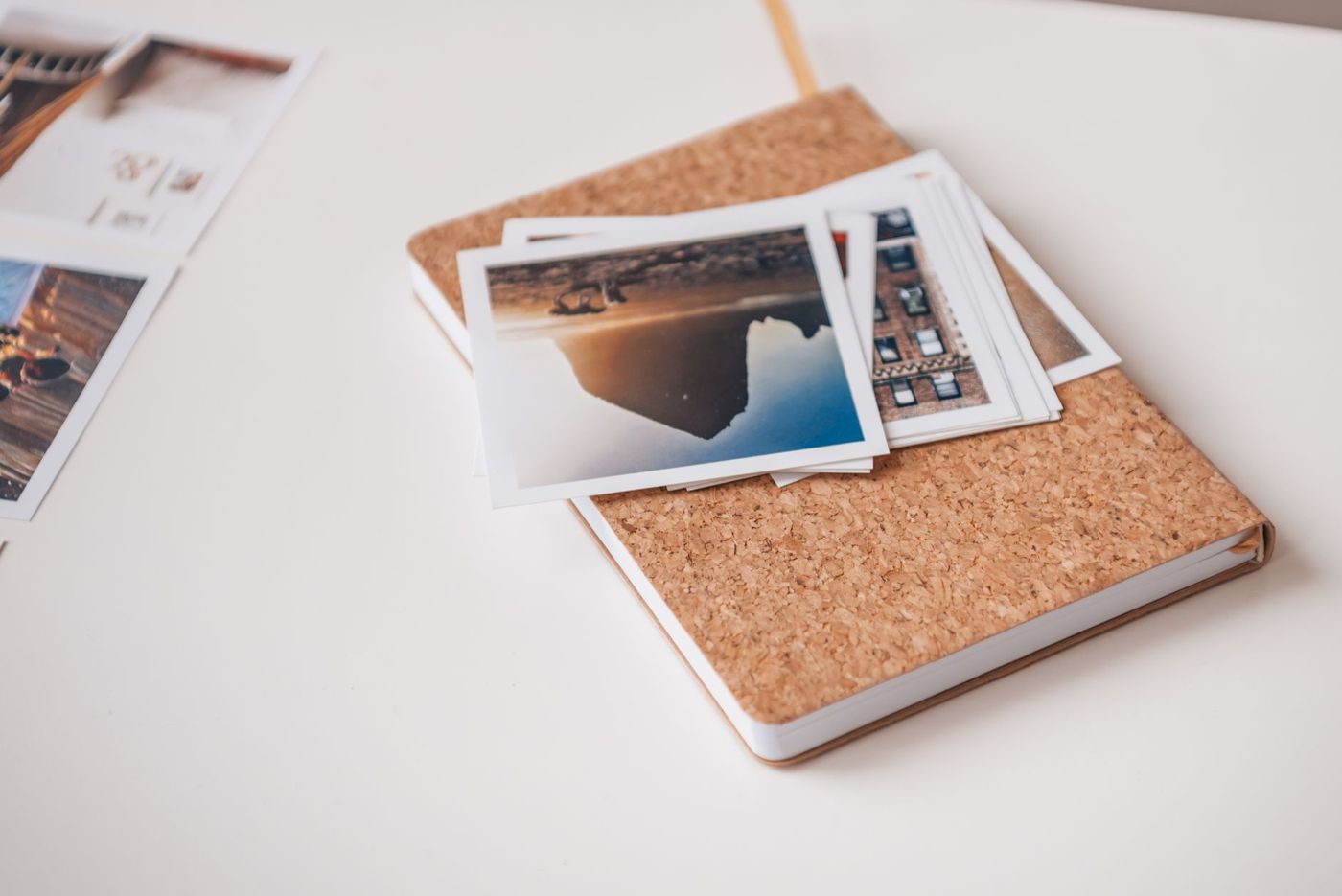
The first time you walk into a craft shop or scroll through a webshop, it can be a bit of a shock. Die-cutting machines, stamp sets, piles of patterned paper, stickers in every colour. It looks as if you need all of it. You don't. You can make your first page with a pair of scissors, a good glue, a few sheets of paper and your photos.
What scrapbooking really costs
Scrapbooking can get as expensive as you let it. The basics are few: an album or a sturdy notebook, paper, glue, scissors and a pen. That's a manageable amount. Everything after that is extra.
The money usually doesn't go on those basics. It goes on one-off buys: a pretty sticker set here, a new collection there, a die you use once. Lots of experienced scrappers say the same thing about their first year: I bought too much, too soon. Only buy something once you notice you're missing it.
A shopping list is a handy habit. Write down what you really need for this month's pages, and buy only that. Anything not on the list can wait a week. Often you won't want it any more after that.
Where to save and where not to
Not everything is a good place to cut back. A few things touch your photos and need to last for years. It's worth spending a little more on those.
Don't save on:
- Acid-free glue and tape. Ordinary school glue often isn't acid-free and can discolour paper and photos over time.
- Paper that sits right against your photos, such as the background and the mat (the border of paper behind a photo). Choose acid-free cardstock for these: sturdy coloured paper.
- Sharp scissors. Blunt scissors make everything ragged, and in the end that costs you more paper.
Do save on:
- Embellishments, the decorations such as stickers, buttons and die cuts (punched-out shapes). You can make most of these yourself or swap them for things you have at home.
- Big stacks of patterned paper. Buy single sheets or a small set in colours that go with your photos instead.
- Machines and dies. Start with scissors and a ruler. A craft knife on a thick piece of cardboard works too, and a retracted ballpoint pen run along a ruler can stand in for a bone folder.
Not sure about stamps or punches? They cost more than a sheet of paper, but if you use them often, they work out cheap per page. So only buy shapes you're sure you'll still like in a year's time.
Budget shops, leftovers and swapping
Look at home first. You have more scrapbooking supplies than you think:
- wrapping paper and paper bags
- pages from old magazines, books and calendars
- greetings cards and envelopes
- ribbons, buttons, lace and fabric scraps from the sewing box
- packaging with a nice pattern or sturdy card
- dried flowers and leaves
- tickets, maps and leaflets from days out
You can also cut letters and words for titles out of magazines. And the back of a cornflakes box is sturdy enough to be the base of a mini album. Cover it with cardstock or patterned paper and nobody will know.
Charity shops, car boot sales and second-hand sites are the next step. Sometimes you'll find whole boxes of scrapbooking supplies from someone who's giving up, for very little or even nothing. Budget shops often have a craft section with paper, stickers and tape too. Do keep an eye on the quality there, though, and try not to use cheap paper right against your photos.
Swapping might be the nicest way of all. Arrange to meet up with a few scrappers and each bring what you don't use. What's a leftover sheet to you is exactly the colour someone else was looking for. And if you have a drawer full of things you never use, sell them as a bundle. You can put that money towards something you do miss.
Making smart use of free printables and digital papers
There are lots of free printables online: digital papers, labels, journaling cards and lists to print yourself. A few things to keep in mind.
Read the terms first. Usually you may only use a free file for yourself, not resell it or share it further.
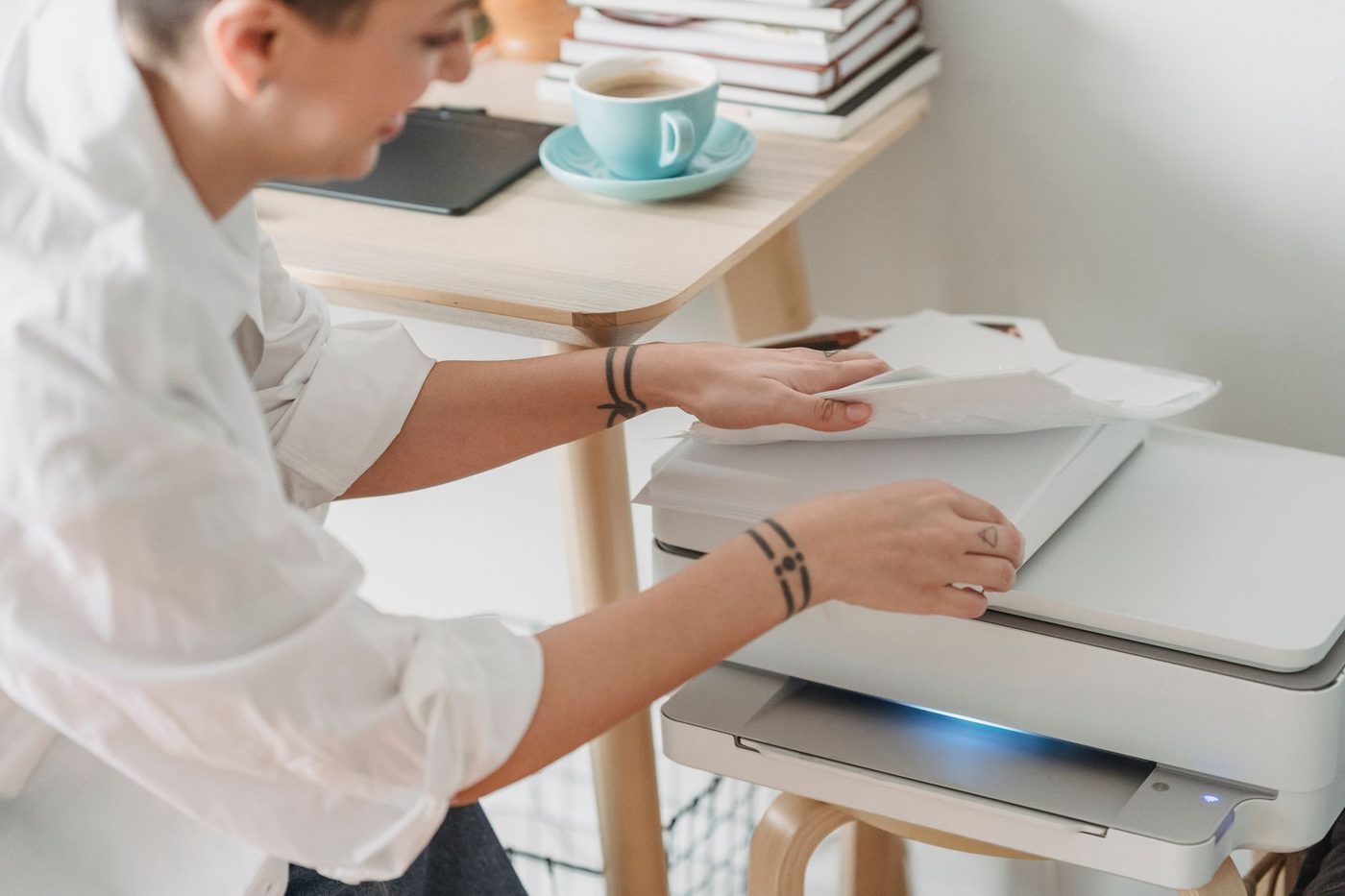
Print on slightly heavier paper. Ordinary printer paper is thin and wrinkles quickly under glue. Paper of around 120 gsm or heavier gives more body, if your printer can handle it; check the manual. Do a test print on ordinary paper first, because colours on your screen often look a little different once printed.
Bear in mind that printer paper and ink aren't always acid-free or lightfast. So use printed elements mainly as decoration on the page, not as a layer directly under your photos. Inkjet ink can also run if it gets wet.
You don't have to print a whole sheet. You can shrink a digital paper and use it as a strip, border or mat. That way one file gives you material for dozens of pages, without it all looking the same. You can also scan shapes you've drawn yourself and print them again.
Spreading one set of supplies over several pages
A 30.5 x 30.5 cm (12 x 12 inch) patterned paper collection looks as if it's meant for one page. But if you cut cleverly, you can make several from it.
- Lay out all your pages on one theme side by side before you start, and divide up the paper in advance. Which sheet becomes a background, which becomes a strip?
- Use plain cardstock for the background and save the patterned paper for mats, strips and small blocks. Then one sheet goes much further.
- Cut decorations out of your patterned paper: a flower, a label, a little flag. That way you don't need separate stickers.
- Double-sided paper gives you two patterns for the price of one.
- Pick two or three colours per page. It looks calmer and you use fewer different supplies.
And don't throw anything away. Keep your scraps in a box or tin, sorted by colour. Small pieces become labels, journaling cards and mats for small photos. A collage of scraps cut into little squares can even become a whole new background. A small stack of envelopes can turn into an album too: stick them together, add flaps and pockets, and you have a mini album made from what would otherwise have gone in the recycling.
Kits: a saving or not
A kit is a pack of paper, stickers and embellishments that go together. There are one-off kits and subscriptions where you get a new pack every month. Whether that saves you money depends entirely on how you work.
A kit is a good buy if:
- you're just starting out and still find it hard to combine colours and patterns. In a kit, that's already been done for you.
- you use it all up, down to the last scraps.
- you'd otherwise keep buying odds and ends that don't really go together.
A kit actually costs you money if:
- a lot of it isn't your style and ends up sitting in a drawer.
- your subscription arrives faster than you can scrap. Then your stash just keeps growing.
- you buy a new kit while the last one is still half full.
One simple rule helps: use it up first, then buy something new. Save the last bits of a kit for a mini album or a few cards. That way you really get everything out of it.
Perhaps the loveliest thing about scrapbooking on a small budget is that it makes your pages more personal. A ticket from that museum, the paper bag from that bakery, a ribbon from a present. You can't buy that anywhere.
Questions about this topic
How can I scrapbook on a budget?
Start with scissors, good glue, some paper and your photos, and save on embellishments and big stacks of patterned paper. Look for supplies at home, in charity shops and from other scrappers first.
What shouldn't you skimp on when scrapbooking?
Glue, tape and paper that sit right against your photos, because they need to last for years. Choose acid-free products for those and use sharp scissors.
Can I use free printables in my scrapbook?
Yes, but read the terms first: usually you may only use a free file for yourself. Print on heavier paper where you can, and don't use printed material directly under your photos.
Is a scrapbook kit cheaper than buying supplies separately?
Only if you use the whole kit. If a lot of it isn't your style, or a subscription arrives faster than you can scrap, a kit actually costs you money.