· 7 min read
Pocket scrapbooking and Project Life: how it works
Slipping photos and cards into pockets instead of cutting and gluing. What pocket scrapbooking is, how the sizes work and whether it suits you.
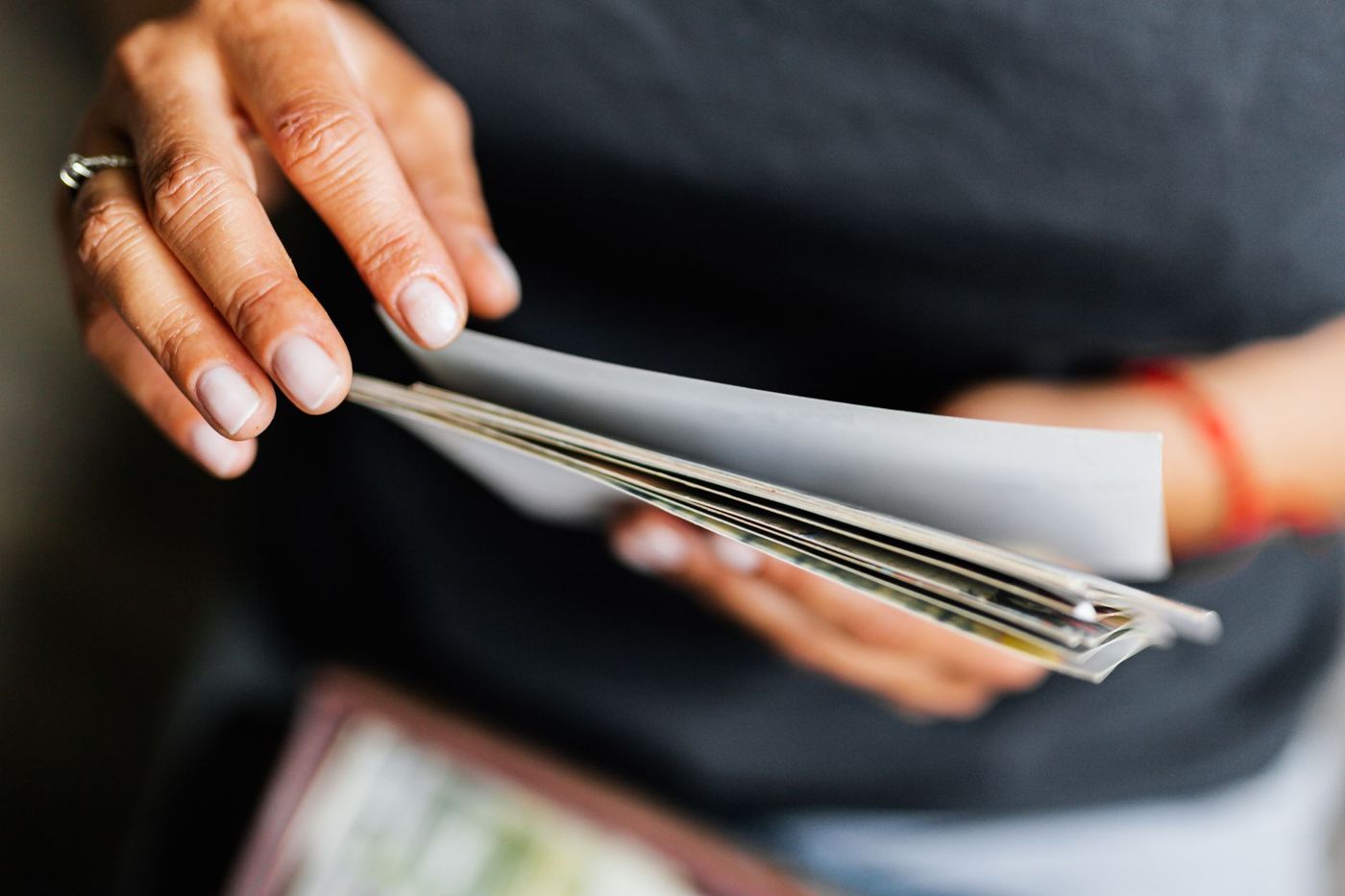
You have hundreds of photos on your phone and a pile of paper you'd love to use, but spending a whole evening on one page just isn't going to happen. Then pocket scrapbooking might be for you. You slide photos and cards into clear sleeves with fixed pockets, write a few sentences alongside them, and your page is done.
What pocket scrapbooking is
With pocket scrapbooking, also called pocket pages, you work with page protectors. These are plastic sleeves for a ring binder, divided into pockets, a bit like a binder for trading cards. Each pocket holds a photo, a journaling card or a keepsake such as a cinema ticket.
The best-known name is Project Life. Becky Higgins came up with this system because traditional scrapbooking took up too much of her time. The idea: the layout is already fixed, so you don't have to think about where everything goes. These days lots of brands make pocket page protectors and cards, and people often use Project Life as a catch-all name for the whole approach.
At its simplest, you need four things: photos, cards, page protectors and an album. Embellishments are a bonus.
Page protectors and journaling cards
Page protectors come in dozens of layouts. A popular layout for a 30.5 x 30.5 cm (12 x 12 inch) album has eight pockets: four landscape pockets of 10 x 15 cm (4 x 6 inch), two at the top and two at the bottom, and four portrait pockets of 7.6 x 10.2 cm (3 x 4 inch) in the middle. There are also protectors with only square pockets, with narrow strips or with one large pocket.
Journaling cards are card pieces in exactly those sizes. Some have a pattern or a word on them, others have lines to write on. You use them to fit in some writing, but also as a calm space between busy photos. They're sold in sets with matching colours, but you can just as easily make your own from leftover cardstock (sturdy, plain card) and patterned paper.
Check what the page protectors are made of. Polypropylene, polyethylene and polyester (Mylar) are safe for photos. Best to avoid PVC sleeves: over time they can damage your photos.
Why it's quicker
With a traditional layout (a designed page), you choose paper, trim your photos, come up with a title and stick everything down layer by layer. With pocket pages, most of that falls away. A 10 x 15 cm photo is the standard print size at almost every photo service, and it fits the pocket without any cutting. You hardly need any glue.
That also makes it forgiving. If you decide a card doesn't look right next to that photo after all, you slide it out and try another one. Nothing is stuck down.
What really makes it quick is repetition. Use the same kind of card for the date or title every week, and stick to a fixed order: photos in the big pockets, writing in the small ones. That way you don't have to work out what a page should look like every time, and the album feels like one whole as you leaf through it.
A word of warning: it can get slow too. If you want stickers, stamps and layers in every pocket, you'll soon spend just as long on each page as on a regular layout. That's fine, but know that the speed comes from keeping it simple.
Weekly, monthly or by event
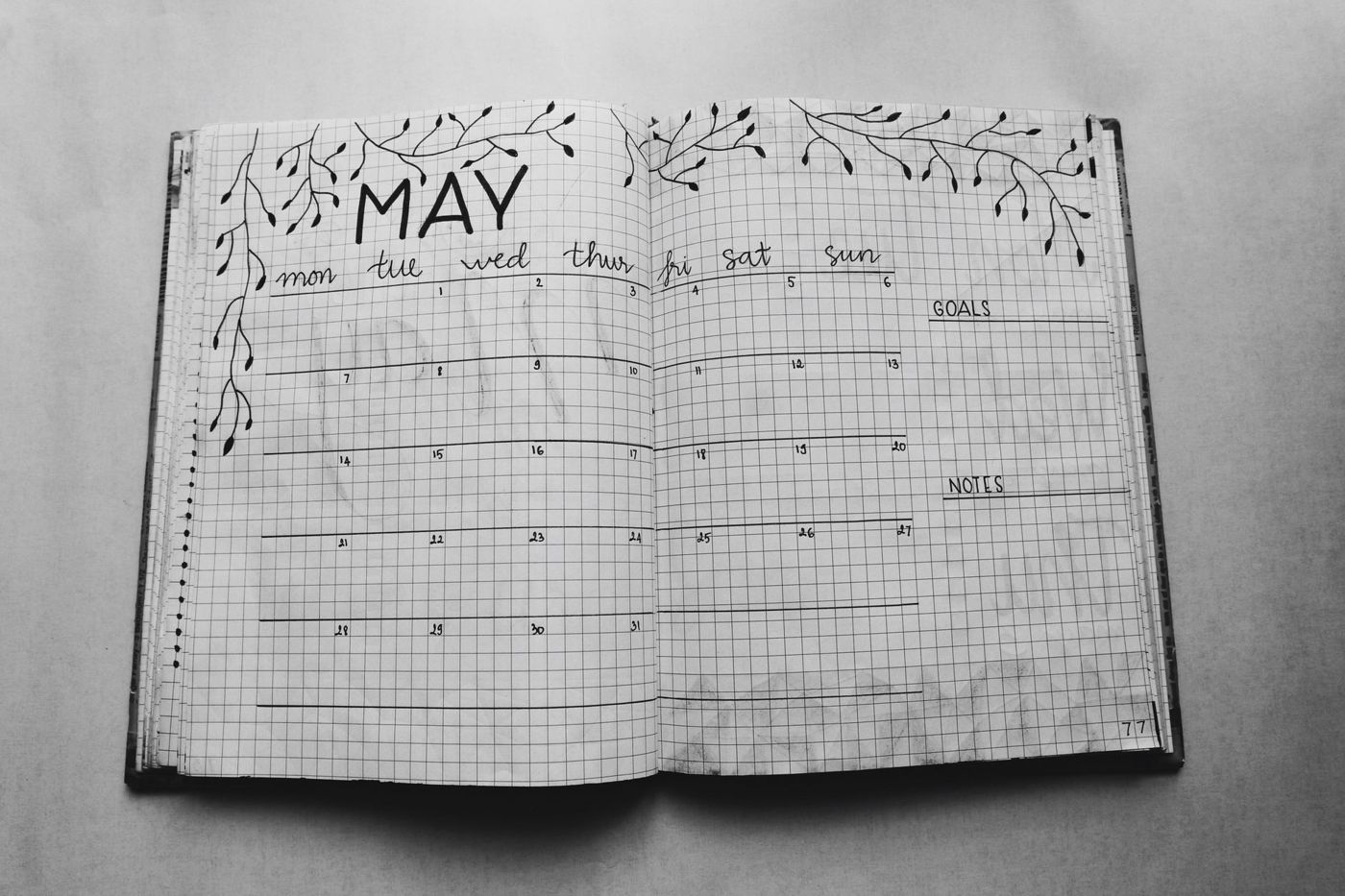
The original idea is one double-page spread a week. Two page protectors side by side, seven days, and a photo or card for each day. It gives you a lovely rhythm and works well for capturing everyday life: what your child said at breakfast, the new recipe, the rainy Sunday.
But a week isn't doable for everyone. Lots of scrapbookers start out keen in January and are behind by March. That's why many people switch to a monthly rhythm: one or two spreads a month, with the best photos and the stories that stuck. You don't need to take as many photos, and you have more room to choose.
A third way is by event: a holiday, a birthday or a house move gets its own set of page protectors. A small pocket album is also ideal for a short trip. You can finish it in an evening, and the size makes it easy to take along to your mum's birthday.
Whatever you choose, a few things help:
- Keep a diary or notes of what happened. Later on, you really won't remember.
- Keep tickets, receipts and drawings in an envelope or folder for each week or month, so everything is ready to go.
- Order your photos in regular batches, for example every month.
- Start with this week or this month, not with a two-year backlog.
Which sizes go together
Most systems revolve around the same two sizes: 10 x 15 cm and 7.6 x 10.2 cm. You can use a 10 x 15 cm card in portrait or landscape, just like a photo. Two 7.6 x 10.2 cm cards side by side are the same size as one 10 x 15 cm card, so it's easy to swap things around.
There are three common album sizes:
- 30.5 x 30.5 cm (12 x 12 inch): the big classic, with the most space per page.
- 23 x 30.5 cm (9 x 12 inch): slightly narrower, with pockets in the same sizes.
- 15 x 20 cm (6 x 8 inch): small and quick to fill, handy for a monthly project or an album about a single subject.
Buy page protectors and an album from the same system, or check the number of rings and the spacing between the holes. Not every protector fits every binder.
You can also mix sizes within one album. A smaller protector between two large ones, such as a 15 x 30.5 cm strip, is called an insert. It gives a special day or a longer story its own place without throwing off your weekly rhythm. Mix up the sizes and leafing through stays full of surprises.
More photos than pockets? Have two small photos printed together on one 10 x 15 cm print, or make a collage of six photos on one print. You can also make a flap: a card that folds open, with an extra photo behind it.
Weeks without photos
They'll happen, and that's not a problem. A few options:
- Turn a quiet week into a words week. Write down what you did, what you read, what you ate. A page that's almost all words is often the nicest one to read back later.
- Use what you have: a ticket, a drawing by the kids, a screenshot of a weather forecast or a route map of your walk.
- Take a photo of something at home: the flowers on the table, the pile of books by your bed. They fill a pocket and still say something about that time.
- Combine two empty weeks into one spread.
- Switch to monthly pages if this happens more often.
The most important thing is your attitude: capture what's there and don't worry about what's missing. An album that keeps going with a few gaps is worth more than a perfect album that stops in April.
Combining pocket pages and regular pages
That works perfectly well, and lots of scrapbookers do it. Pocket pages are great for everyday life and the small stories: the things that aren't worth a whole layout, but that you still want to keep. For a big moment, you make a traditional 30.5 x 30.5 cm layout and slide it into a protector with one large pocket, in between your pocket pages.
It works the other way round too. Stick a card or an embellishment on top of the protector instead of inside it, so it spans two pockets and the page looks less rigid. And if you'd rather get creative with paint and ink, you can make your own cards and slide them into the pockets.
Is it right for you?
Pocket scrapbooking is a good fit if you have lots of photos and little time, if you like things organised, or if you've given up before because every page turned into a project. It's less of a fit if you love cutting, layering and working out how a page fits together. Then the fixed pockets can soon feel like a straitjacket.
Not sure? Start small. A set of page protectors and a few cards, one month from now, or one weekend away. You'll soon find out whether the rhythm suits you.
Questions about this topic
What is pocket scrapbooking?
With pocket scrapbooking, you slide photos and journaling cards into page protectors with fixed pockets, instead of cutting and gluing. The best-known name for this approach is Project Life.
What sizes are used in pocket scrapbooking?
Most systems revolve around pockets of 10 x 15 cm and 7.6 x 10.2 cm. Common album sizes are 30.5 x 30.5 cm, 23 x 30.5 cm and 15 x 20 cm.
What do you do if you have no photos for a week in your pocket album?
Make it a words week, use a ticket or a drawing, or take a photo of something at home. You can also combine two empty weeks or switch to monthly pages.
Is pocket scrapbooking quicker than regular scrapbooking?
Usually, yes, because the layout is already fixed and there's little cutting and gluing. The speed comes from keeping it simple: if you decorate every pocket, it takes just as long as a regular layout.