· 6 min read
What you really need to start scrapbooking
An album, paper, glue, scissors and a pen. That's all you need for your first pages. Here's what belongs on your list, and what can easily wait.
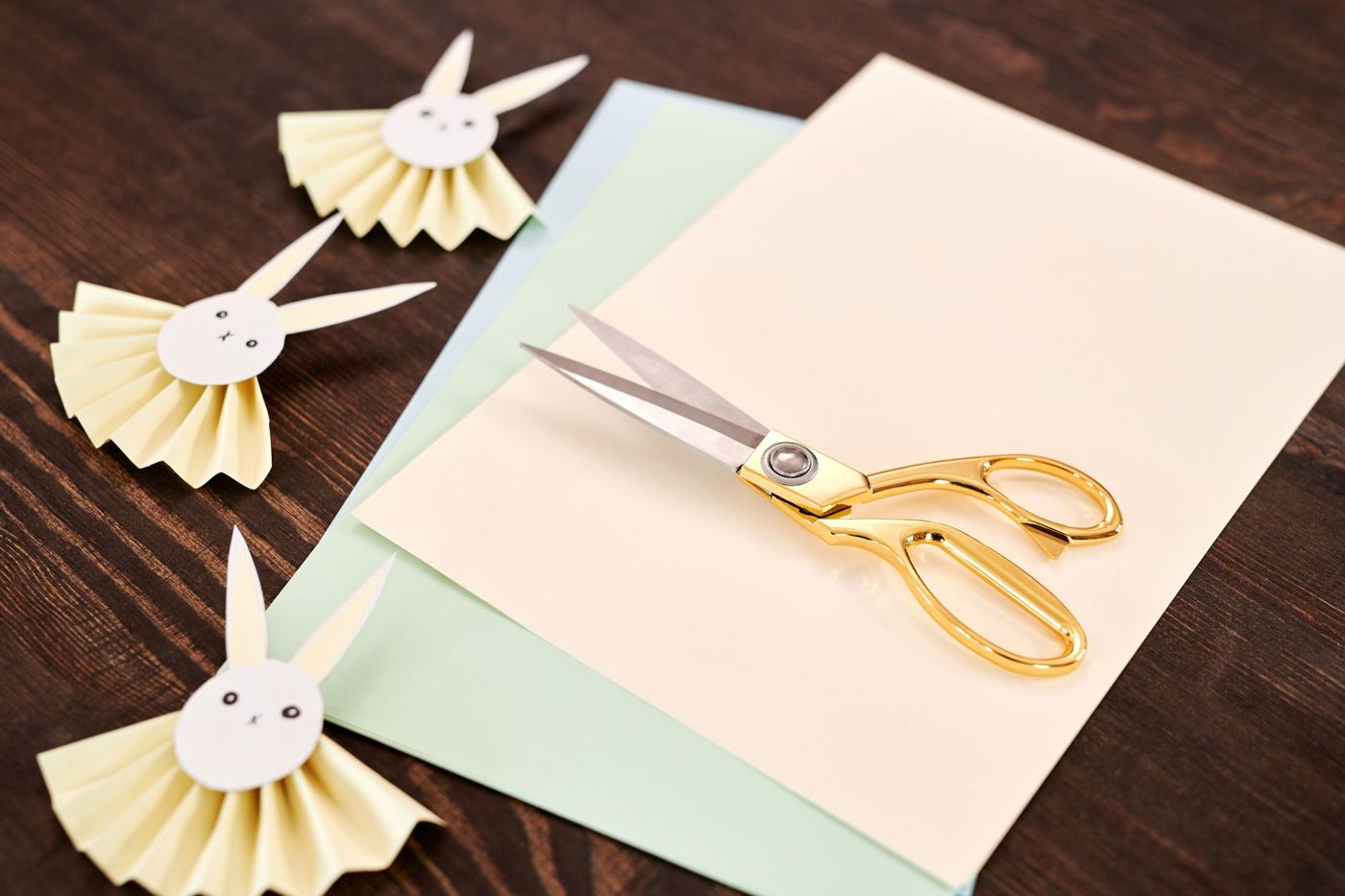
In a craft shop or online store you'll see hundreds of kinds of paper, stamps, dies and machines. For your first pages you only need a handful of them. Below you'll find what really belongs on your list, what can wait and what you probably already have lying in a drawer somewhere.
The album
Start with an album where you can add and move pages around, such as a ring binder with page protectors. Choose protectors made of polypropylene, not PVC. If your first page isn't your best, you can take it out or move it to the back. That takes the pressure off.
The best-known size is 30.5 x 30.5 cm (12 x 12 inches). A smaller album, such as A4 or 15 x 20 cm (6 x 8 inches), means less work per page and feels finished sooner. Buy the album first. Its size decides which paper you need.
Paper
You need two kinds of paper. Cardstock is sturdy, plain card, roughly 200 to 250 gsm, that forms the base of your page and that you use to make a border behind a photo. White, kraft and perhaps black go with almost anything. Get more white than you think you'll need, because it's always the first to run out.
Patterned paper is printed paper with designs. Buy it as a pad from one collection rather than as loose sheets you happen to like. The sheets in a pad are matched in colour and style. Loose sheets from different collections are the quickest way to a page where nothing seems to belong together.
Glue
For beginners, double-sided tape in a dispenser is the easiest. You might know it as a tape runner or glue roller. It's clean, sticks straight away and doesn't make thin paper ripple the way wet glue does. Choose one that's acid-free and photo-safe.
An ordinary glue stick is fine for paper on paper, but it often comes loose over time. For photos, a dry adhesive is the better choice. Glue is also the material you'll use up fastest. So check whether refills are available for your runner, so you don't have to keep buying new ones.
If you're going to spend a bit more anywhere, do it here. A lovely page that comes unstuck after a few weeks is a waste of your work.
Scissors or a cutter
A small, sharp pair of scissors with a fine tip is enough to start with. Use them only for paper. Tape and stickers make the blades sticky and blunt, so grab an old pair for those.
For long straight lines, a metal ruler with a craft knife on a cutting mat works well. With a plastic ruler the blade cuts into the edge and your line goes wavy. Change the blade sooner than you think you need to: a blunt blade tears the paper instead of cutting it.
A good pen
You'll want to write something next to your photos: a date, a name, a few sentences about what happened. One black fineliner is enough. Choose one with acid-free pigment ink that's waterproof once dry. It won't smudge if something gets wet later and fades less quickly.
What you probably already have at home
Before you buy anything, have a quick look around your home. Much of what you need is already there.
- A pencil and a rubber, for lightly marking things before you cut or stick.
- A ruler, ideally a metal one.
- An old pair of scissors for tape and stickers.
- Tweezers from the bathroom, for small pieces you'd otherwise mess up with your fingers.
- Cards, postcards, tickets, a ribbon from a bunch of flowers, bows from presents, buttons and old magazines to cut up.
And of course your photos. They matter most, so pick them out before you go shopping. More on that in a moment.
What you're better off not buying yet
There's lots of lovely stuff out there, but most of it only becomes useful once you know what kind of scrapper you are. Leave these for now:
- A die-cutting machine or cutting plotter. They cost a lot and they won't teach you the basics.
- Big sets of stamps and ink. One stamp to try out is fine, a whole collection isn't.
- A paper cutter, also called a trimmer. Handy if you cut lots of straight pieces, but it can wait. If you buy one later, check that you can get replacement blades for it.
- Piles of embellishments, the decorations such as stickers, flowers, buttons and cardboard shapes. One sticker sheet to go with your paper collection is enough. Bulky decorations also make an album hard to close.
- Punches, embossing powder and expensive markers. Fun for later, once you know which style suits you.
If you do want one small extra, get a pack of foam pads. These are double-sided foam squares that lift a title or a matted photo a few millimetres. Stick them under the cardstock mat, not directly onto a photo. For very little money, they give your page instant depth.
Starter kit or separate supplies
A starter kit sounds easy, because everything's included and it all matches. But look carefully at what you're buying. Very cheap all-in-one kits often contain thin paper, glue that doesn't last and things you'll never use.
What works best in practice is somewhere in between. Buy the album, glue and scissors separately, so you choose where you want quality. Buy the paper as a pad or pack from one collection, perhaps with matching stickers. That's really your starter kit, and it's tailored exactly to what you're going to make.
Roughly what a simple start costs
There's no fixed amount, because prices vary widely. A modest budget will take you a long way for your first pages. The album and the glue are usually the biggest costs. After that, you buy paper one pad at a time, when you notice it's running out.
It only gets really expensive once machines, dies, complete collections and lots of embellishments come into it. That's why those are the first things you can let wait.
How not to come home with a full bag
When you're starting out, you want everything. That's normal, but a shelf full of unused supplies won't make you any happier. These habits keep things manageable.
- Pick one project, such as a holiday, a birthday or a handful of pages about your own street, and buy only what you need for it.
- Choose your photos beforehand and take them with you, or take a picture of them with your phone. That way you choose paper that matches the colours in your photos, not just paper you like.
- Stick to one collection and no more than three colours per project.
- Write a list and set yourself a budget. If it's not on the list, it doesn't come home.
- If you're not sure, leave it. Online, you can leave it in your basket for a day. Often you'll have forgotten about it by the next morning.
- Use what you have first, and only buy something new when you notice you really miss it.
That last one may be the most important. After a few pages you'll naturally know whether you want a paper cutter, whether you enjoy stamping and which colours you keep reaching for. Whatever you buy then, you buy because you know you'll use it. Until then, five things and your photos are all you need.
Questions about this topic
What do you need to start scrapbooking?
Five things: an album, paper, glue, scissors and a pen. On top of that, pick out your photos before you go shopping. Many other supplies, such as machines and big stamp sets, can wait.
What scrapbook album should a beginner choose?
Start with an album where you can add and move pages around, such as a ring binder with page protectors. The best-known size is 30.5 x 30.5 cm, but a smaller album means less work per page.
Is a scrapbooking starter kit worth it?
Very cheap all-in-one kits often contain thin paper and glue that doesn't last. A middle way works better: buy the album, glue and scissors separately, and the paper as a pad from one collection.
What glue is best for beginner scrapbookers?
Double-sided tape in a dispenser, a tape runner, is the easiest: it's clean, sticks straight away and doesn't make thin paper ripple. Choose one that's acid-free and photo-safe.